Sustainable agriculture: a challenge at the core of CNR’s mission
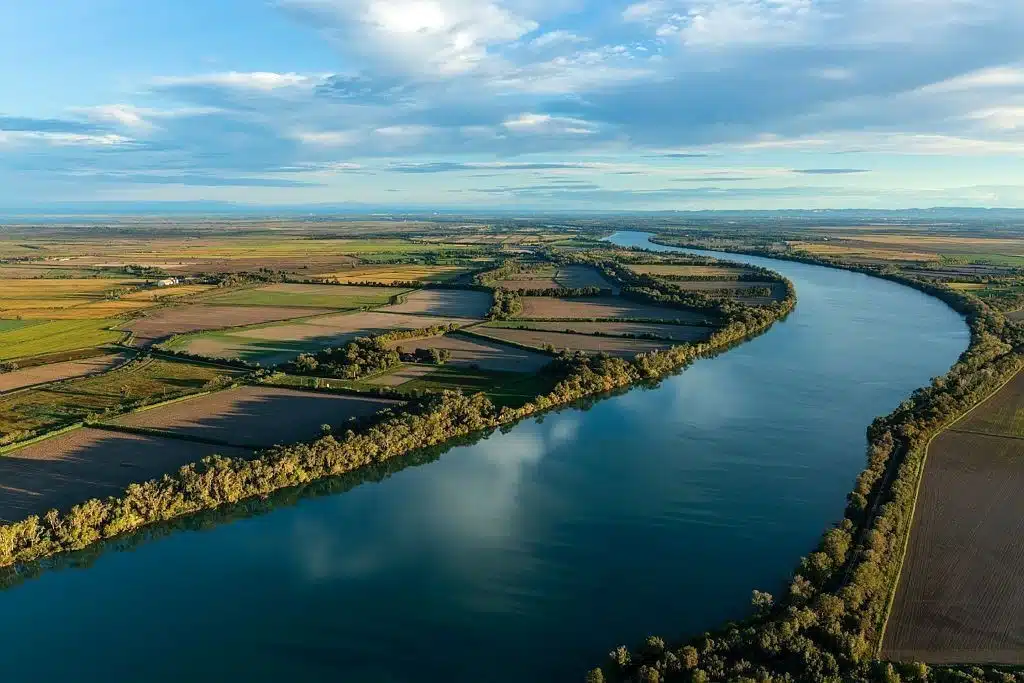
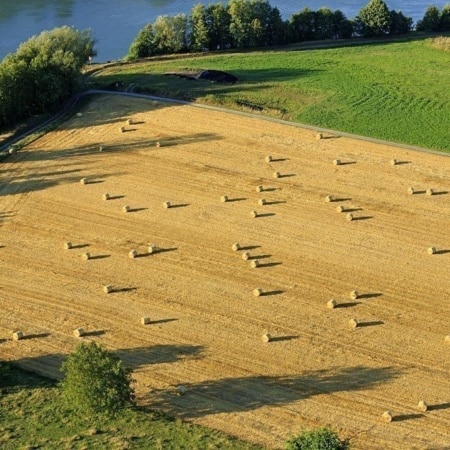
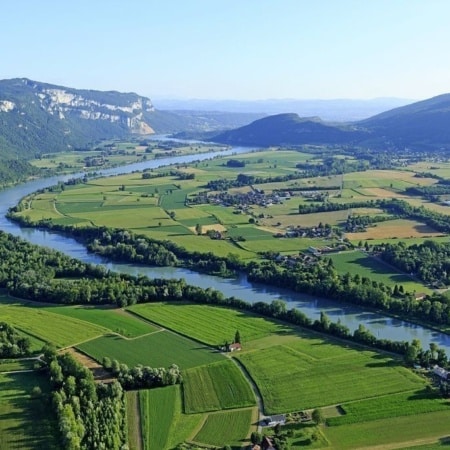
Agriculture is considerably impacted by climate change and scarcer water resources in the Rhone Valley. Confronted by the climatic fluctuations and technical and economic upheavals, CNR acts to preserve water resources and cycles, soils and biodiversity, in the service of quality farm production rooted in its territory.
Promoting responsible and efficient irrigation
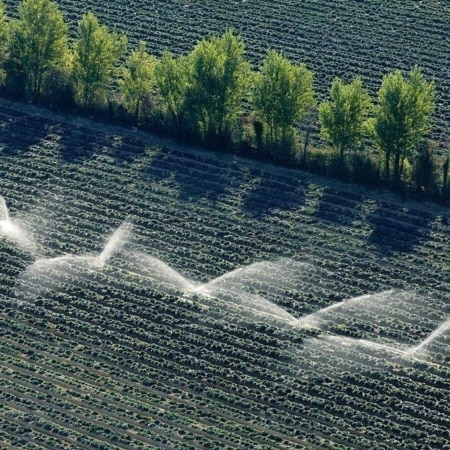
A reference when it comes to water resources and coordinating their use along the river, CNR contributes to national and regional water authorities alongside the Mediterranean-Corsica-Rhone Water Agency, and supports the implementation of territorial water management projects (PTGE) on the scale of the Rhone—Mediterranean basin.
CNR provides financial aid for collective projects to modernise or substitute withdrawals from zones subject to water source depletion, so as to assist farmers to better their water resources management.
Helping the agricultural sector to adapt
A committed partner of the agricultural sector, CNR supports a large number of projects to develop an innovative, robust and sustainable agricultural practices.
The Plans 5Rhône includes a section regarding actions intended specifically for agriculture whose aim is to contribute to the adaptation of agriculture in the Rhone Valley through three themes: energy, water and agro-ecological transition.
Zoom on sustainable farming practices
Grazing used for the ecological maintenance of the river banks and solar power plants
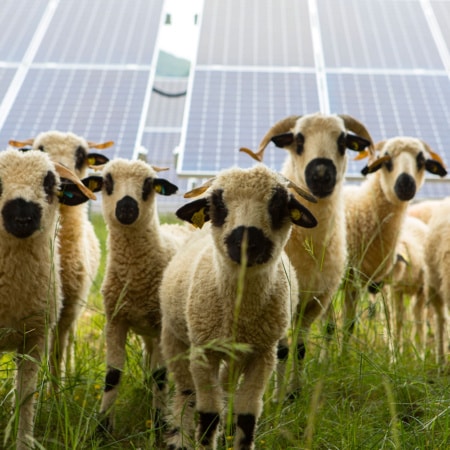
Grazing is an efficient approach for preserving biodiversity and maintaining the banks of the Rhone. CNR collaborates with 14 shepherds and local livestock farmers to maintain 1,031 hectares of dikes. This natural method, without mowing, petrol or pesticides, preserves the ecosystems and habitats of many species (butterflies, grasshoppers, wild orchids, etc.).
Researchers at Avignon University carry out regular monitoring of the approach to measure the impact on vegetation. It is a natural means of maintaining the Rhone’s banks and it makes them more pleasant for walkers and the neighbouring population.
Dedicated to developing less aggressive ways of maintaining its assets, CNR also calls on grazing to maintain the sites of certain solar power plants such as that at Villebois. This type of maintenance reduces the use of machines, respects plant species and the fauna present on the sites, and it maintains a diverse range of habitats propitious for breeding different species.
Local plants for soil preservation
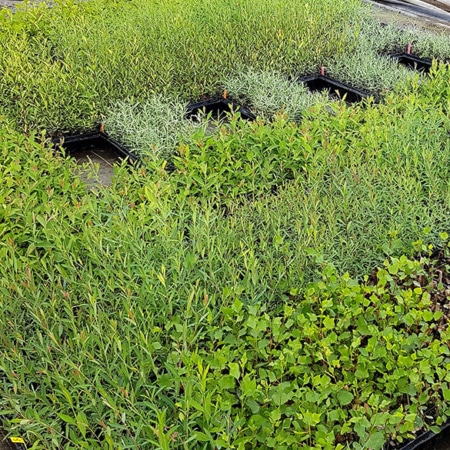
CNR in involved in developing Végétal Local, a brand of the French Office of Biodiversity, founded jointly in 2015. It guarantees the origin of plants, and favours their wild and local provenance.
Using this approach, CNR aims to participate in the ecological restoration of the soils of the estate belonging to its concession, and thus improve its potential to adapt to climate change.
Plant engineering to preserve plant diversity
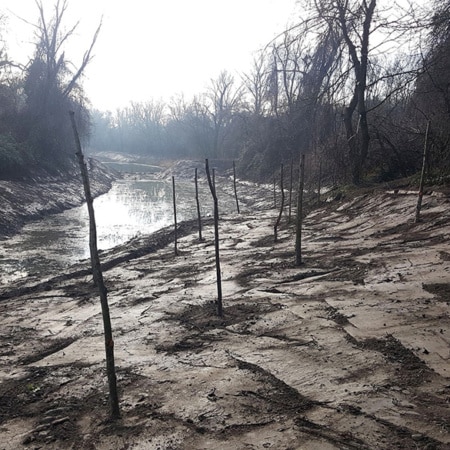
Based on observing and imitating nature, plant engineering uses the biological, physiological and physical capacities of certain plant species to rebuild their ecosystems and maintain biodiversity. This innovative technique also limits the development of invasive species, such as the Japanese knotweed.
CNR plants willows and poplars in particular in its concession to ensure the sustainable reconstitution and maintenance of the original ecosystems.