
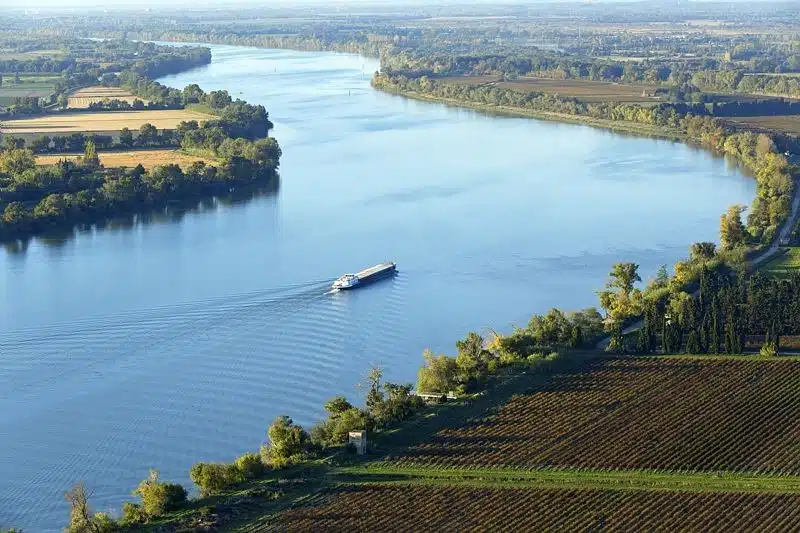
Ensuring safe, reliable and efficient navigation on the Rhone
River navigation is one of CNR’s founding missions. It is part of a global approach of reconciling the uses to which the Rhone can be put, in the service of goods transport, river tourism and pleasure boating.
With 330 kilometres of navigable waterway, the Rhone is equipped with 14 wide-gauge locks, built between 1952 and 1977, allowing the passage of barge convoys up to 190 metres long and carrying up to 4,000 tons, i.e. the equivalent of 220 trucks. In addition, there are 5 locks for pleasure boats on the Upper Rhone adapted for tourist use.
CNR continually develops the river ports and improves the interfaces between river, rail and maritime transport, so as to increase the global efficiency of transport links.
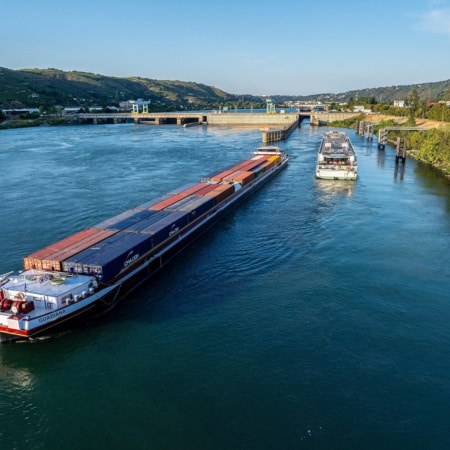
The safety of the structures and the security of navigation are absolute priorities for CNR. Significant human, technical and financial resources are employed to ensure the preventive and corrective maintenance of the locks, dams and navigation channels.
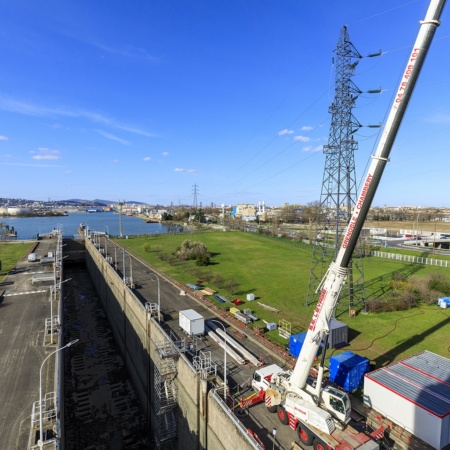
Every year, navigation is shut down for a fortnight when 300 employees work day and night to carry out maintenance, inspection and upgrading operations simultaneously on the 14 wide-gauge locks. This original system ensures a high level of reliability throughout the year while reducing the impact on navigation.
In parallel, CNR invests in progressively upgrading the equipment, securing systems, improving signalling and optimising lockage time, in order to maintain an efficient waterway adapted to the requirements of freight companies and river operators.
The Navigation Management Centre, a unique tool in France
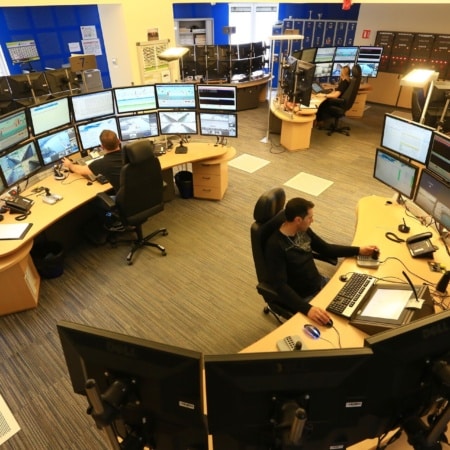
Since 2012, all the wide-gauge locks have been controlled remotely from the Navigation Management Centre installed at Châteauneuf-du-Rhône.
Active 24/7, this unique centre in France ensures permanent monitoring, centralises river traffic management, and guarantees maximum security along the entire navigable waterway.
Using video-monitoring, VHF and telephone communication systems, it improves information for users, optimises lockage time and guarantees reliable navigation conditions, including during severe hydrological conditions.
Developing river transport and ports to massify flows
Developing river transport is an important lever for reducing carbon emissions linked to transport. A ton of goods transported by river emits three to four times less CO₂ than a ton transported by truck. The Rhone is currently dimensioned to receive up to four times the traffic currently using it without making any major investment on the waterway, thus offering exceptional development potential.
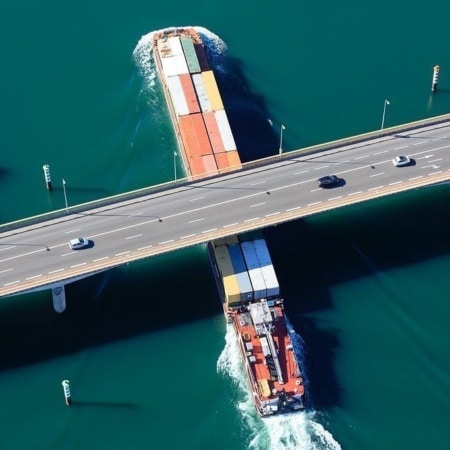
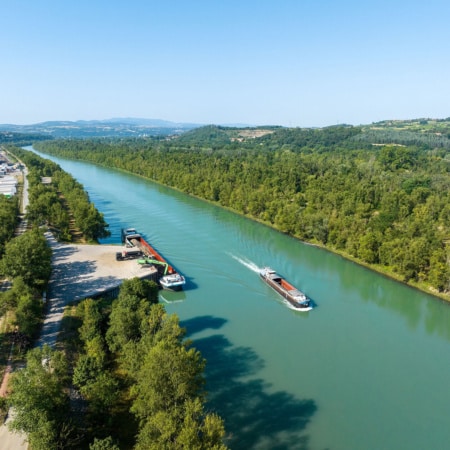
CNR manages 17 industrial and port sites along the river, concentrating 75% of river traffic along the Mediterranean-Rhone-Saone corridor. These platforms form structural multimodal hubs for the companies and industries of the territories, linking the river to rail and road transport.
To increase the river’s attractiveness, CNR acts to improve the availability and capacity of its river port infrastructures. This requires upgrading port infrastructures, improving public wharfs, optimising lock operations, and creating new docking and waiting points along the Rhone.
Ports, modernisation and environmental performance
In 2024 and 2025, CNR renewed the 4 sub-concessions of the ports of Lyon, Vienne Sud, Portes-lès-Valence and Arles, incorporating ambitious goals regarding increased river traffic and investments.
The modernisation works on these 4 ports, contracted with their new operators, represents a total public-private investment of €80 million, of which €10 million is financed by the State and €14 million by CNR.
The goal: improve handling, strengthen rail links and develop rail-river synergy.
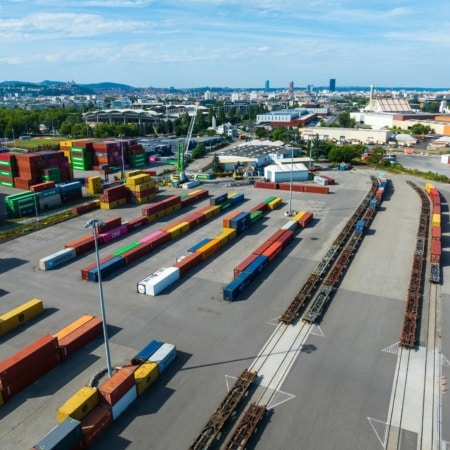
These are all actions that participate in massifying flows, reducing logistics costs and improving signalling in favour of river transport, thereby reinforcing the competitiveness of supply chains. In the Rhone Valley, the transfer of a share of the goods to massified transport modes such as river and rail transport should allow withdrawing 120,000 tuck a year from the road network.
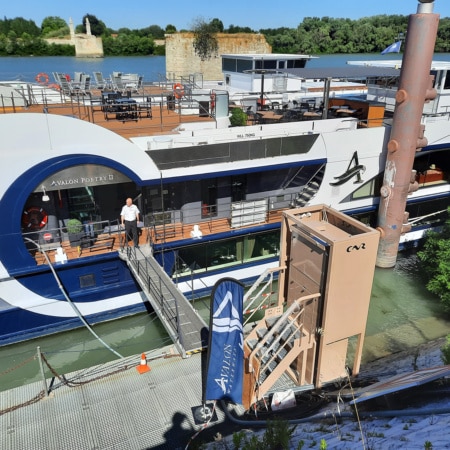
Lastly, CNR is speeding up the energy transition of the river fleet, by supporting the evolution of motorisation through the Modernisation and Innovation Aid Plan (PAMI) of Voies Navigables de France (VNF) and by deploying green energy supply infrastructures at the wharves, in particular high power electricity terminals that enable freight barges and river cruisers to charge their batteries without requiring combustion engines when docked.
Including navigation and port development in the dynamics of the Mediterranean-Rhone-Saone corridor (MeRS)
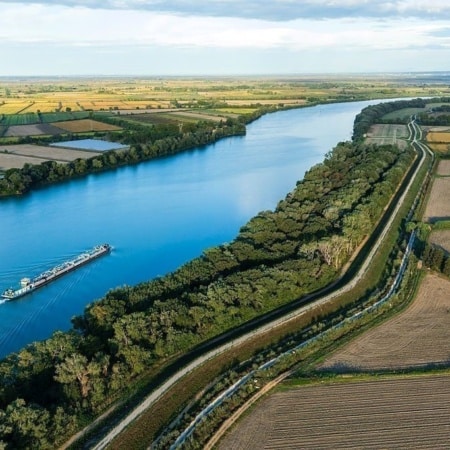
CNR is fully committed to the development of the “MeRS corridor”, the major logistic artery linking Lyon to Marseilles and the true point pf entry into France and the rest of Europe from the south. This commitment is part of collective movement bringing together the State, the territories, infrastructure managers and business actors, with a shared goal: that of making the waterway a lever for decarbonation, transport massification and reindustrialisation.
CNR acts throughout the supply chain: developing port infrastructures and services, offering industrial properties and optimising links between river, rail and maritime transport, especially with Port de Marseille-Fos.
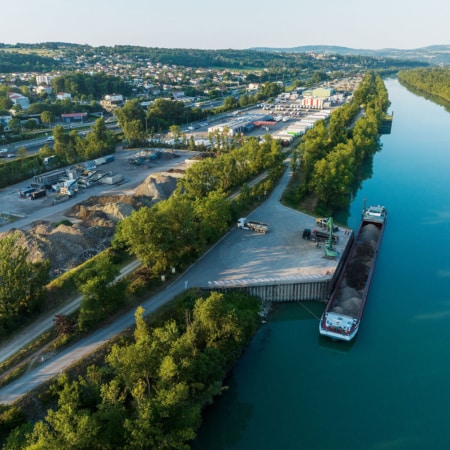
This dynamic evolution is structured by the Rhone-Saone-Ôrizon 2035 corridor plan that sets out the common road map for river freight and tourism. It also relies on innovative tools, such as the dynamic mapping of the actors of the MeRS corridor, which makes it possible to better identify infrastructures, services and transport and logistics companies, and improve the clarity of the ecosystem.
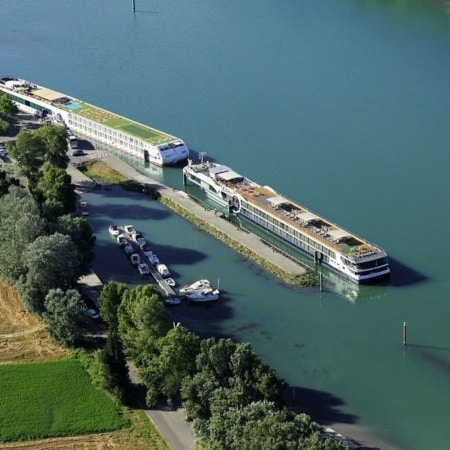
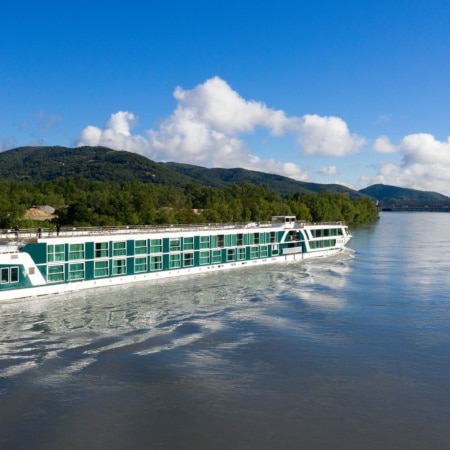
Finally, river navigation is part of a global approach to river users. River tourism, pleasure boating, river cruising, leisure activities: by guaranteeing a safe, maintained and modernised navigable waterway, CNR contributes to the balanced development of the Rhone, creating economic and environmental value for all the territories through which it flows.
Know more
Mediterranean-Rhone-Saone corridor
Rhone’s offer of river logistics
River tourism