
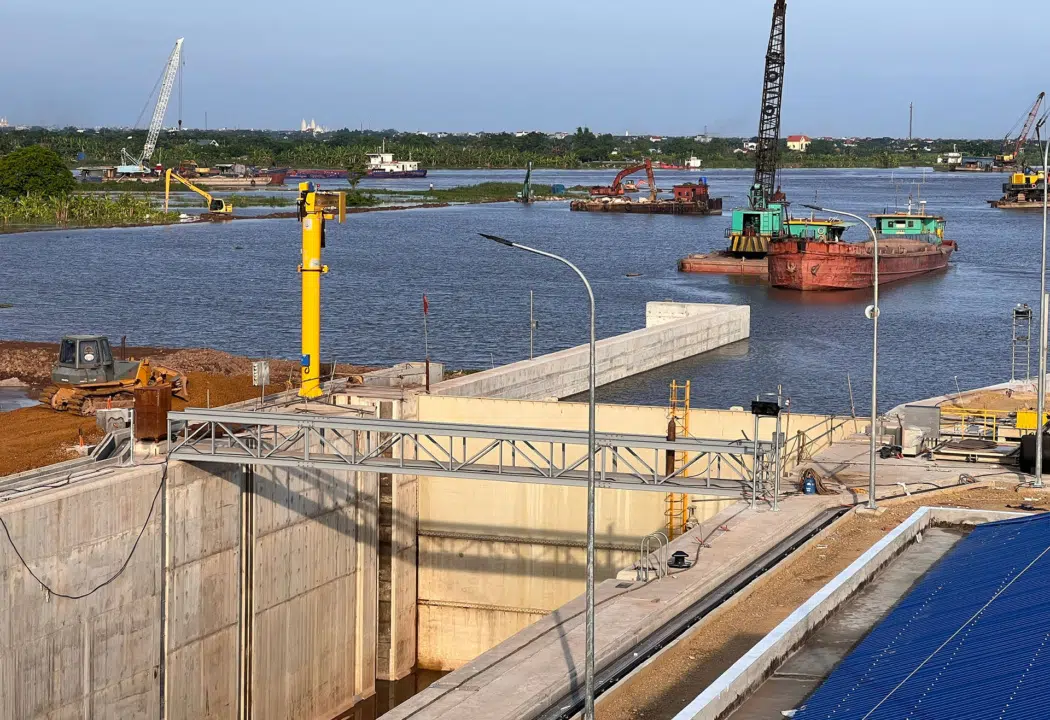
Integrated expertise resulting from developing the Rhone
CNR’s engineering relies on precise knowledge of the river Rhone, gained from designing, developing and operating its 19 hydropower plants. This threefold skill of project contractor, project supervision and operational management, ensures a realistic and rigorous approach. Every project is studied through the perspective of safety and energy performance, with consideration given the river’s natural habitats and uses.
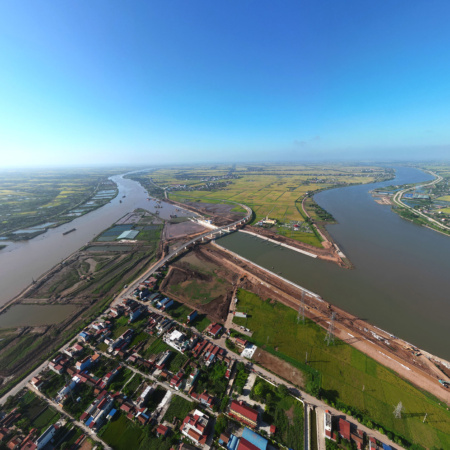
Our engineering participates in river development, hydroelectric and environmental projects, by incorporating technical, regulatory and economic challenges. It calls on six areas of expertise: hydrology and forecasting, hydraulic engineering and modelling, the environment and biodiversity, civil engineering, electricity and hydromechanics, operation and maintenance. This engineering ensures the consistency between design, the real operation of the structures, and safety requirements.
Six skills in the service of hydraulic and river engineering
CNR’s engineering relies on six key skills covering all the needs relating to hydraulic, river and environmental structures. They ensure a comprehensive approach: design, diagnostics, energy performance and the integration of river uses.
The 6 skills:
- Hydrology & meteorology: analysis of discharges, forecasts, precise understanding of flow regimes.
- Hydraulics & modelling: design, optimisation and safety of structures using physical and numerical models.
- Environment & biodiversity: integration of ecological continuity, restoration of habitats and sediment management.
- Civil engineering: dimensioning, diagnostics and monitoring of structures.
- Electricity & hydromechanics: performance of turbine units, automated systems, remote control and production equipment.
- Operation-Maintenance and transfer to the operation of structures.
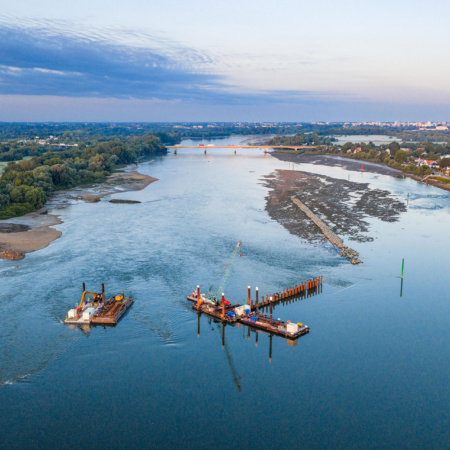
Expertise enhanced by operation
The skills of CNR Engineering are rounded off by operational experience gained from running its developments. Teams in the field provide concrete feedback on the performance and behaviour of the structures in real-time.
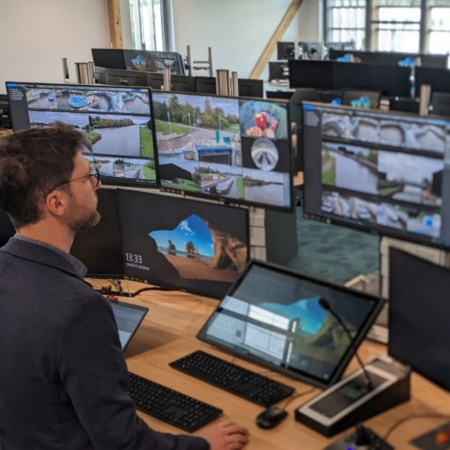
COCPIT, the Intermittent production management and optimisation centre, remotely controls all the hydro, solar and wind power production assets. This operational platform anticipates the resources available as a function of the weather, adjusts production in real-time and manages variations of the Rhone’s discharge to reduce variances with forecasts. Its flexibility and capacity to see ahead bolster service continuity and the energy efficiency of the installations.
CESAME provides unique knowhow in physical hydraulic modelling, metrology and monitoring structures, in the service of structural safety and durability.
This integrated organisation reinforces safety, the availability of the installations and water resource management.
Three major areas of action
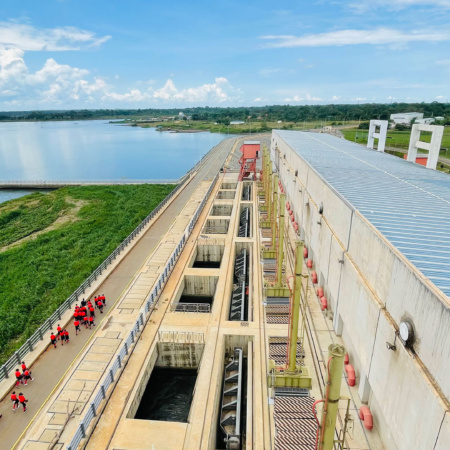
Hydroelectricity
Design, upgrading, optimisation and centralised management of the developments
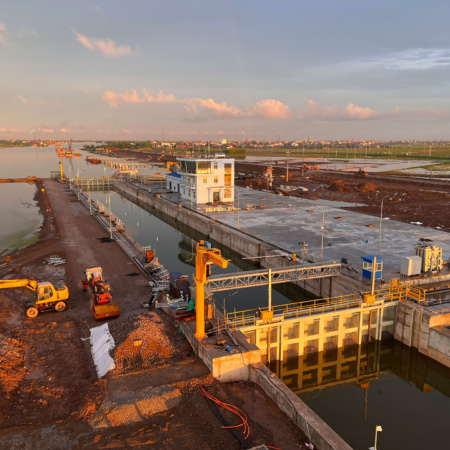
Navigable waterway
Locks, crossings, ports, navigability and remote control
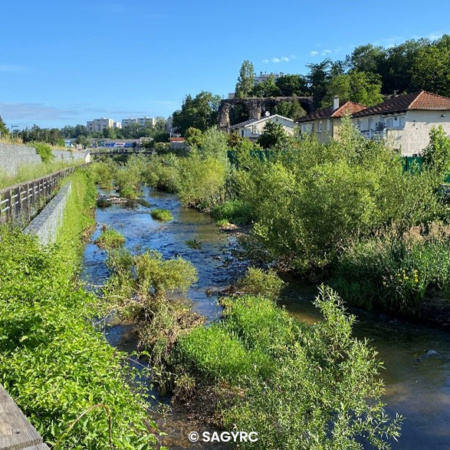
Natural habitats
Ecological restoration, continuity, nature-based solutions
Overall project management organised into 5 steps
CNR intervenes throughout the lifecycles of hydraulic and river structures. This organisation ensures continuity between studies, design, construction and operation, with rigorous control of costs, lead times and safety. The projects are organised into 5 steps: preliminary studies, assistance to the owner, design, construction and assistance with operation and maintenance.
The 5 steps:
- Consulting and preliminary studies: technical-economic and environmental analysis: impact and feasibility studies, diagnostics.
- Assistance to the owner: assistance for the definition of needs, project organisation and coordination with the owner’s teams.
- Design: integration of water resources, sediment management, energy, flood risks and river uses.
- Construction: project management centred on safety, technical performance and cost control.
- Operation and maintenance: optimisation of operation: regulation, remote control, maintenance plans, intervention management.
CESAME, Expert Physical Modelling and Hydraulic Structure Centre
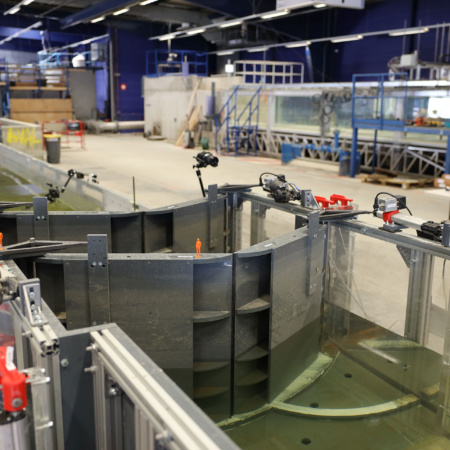
CESAME groups all the key skills of measures, physical modelling and monitoring hydraulic structures. Backed by its experience gained from the Rhone, it provides vital technical assistance to projects, from design to operation.
Its metrology laboratories and tools ensure the detailed analysis of the behaviour of structures and flow dynamics. It also intervenes abroad to solve complex hydraulic problems.